Culture & Sights

    Discover Mauritius

    Experience the unique blend of cultures, religions and traditions that make Mauritius a cultural melting pot.

    Chamarel Waterfall
    Southwest Mauritius

    Chamarel Waterfall

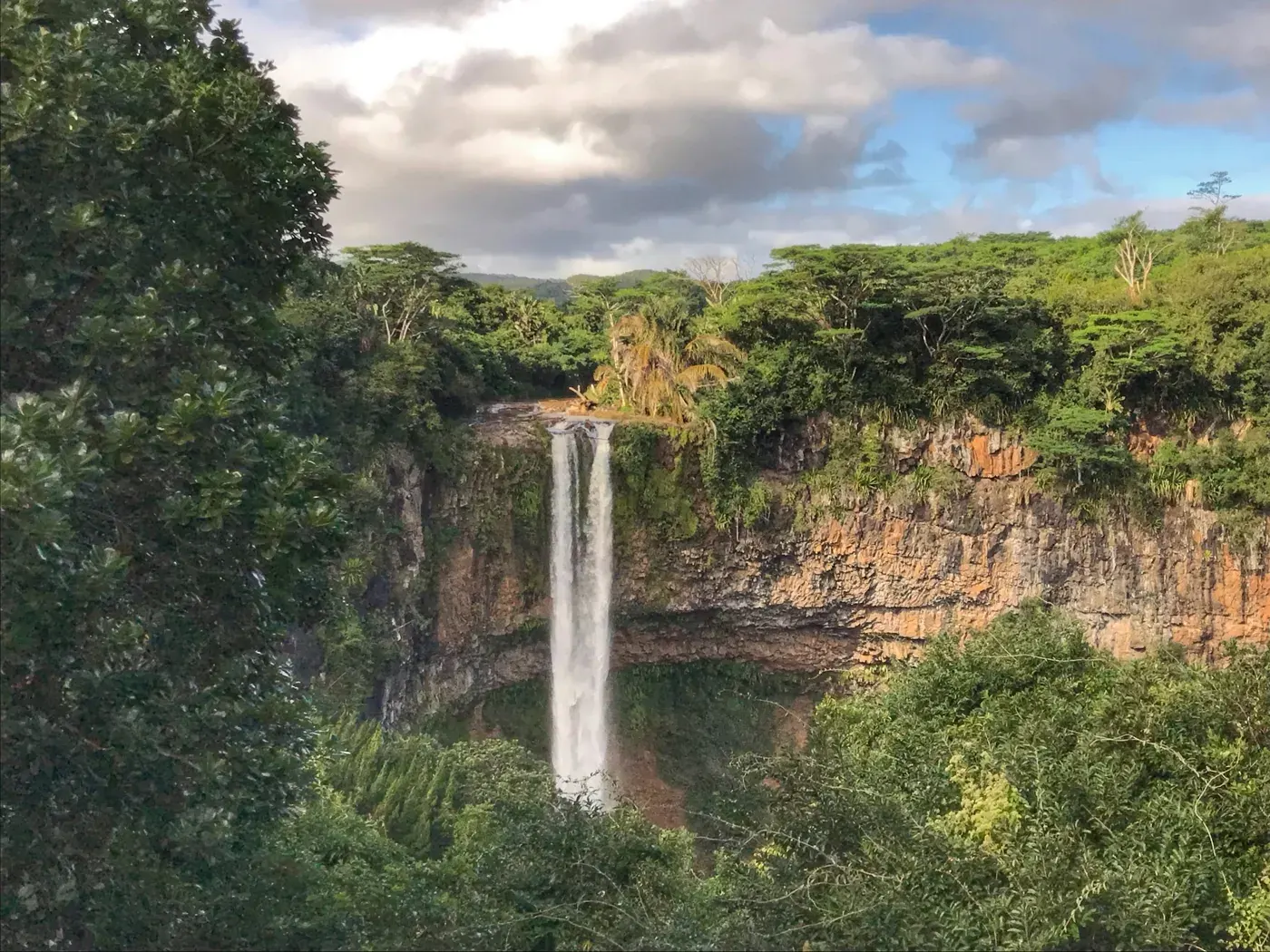
    At over 100 meters, Chamarel Waterfall is the highest waterfall in Mauritius and one of the island's most spectacular natural wonders. Fed by the Saint Denis River, the waterfall plunges dramatically into a deep gorge surrounded by lush tropical rainforest. The best time to visit is during or shortly after the rainy season (January to March) when water flow is at its peak. The waterfall is located within Black River Gorges National Park and can be viewed from several observation platforms. Nearby, you'll find the famous 'Seven Colored Earth' – a geological formation featuring colorful sand dunes of volcanic origin. A visit can be perfectly combined with a hike through the national park, home to unique endemic flora and fauna including the rare Pink Pigeon.
    Ganga Talao (Grand Bassin)
    Central Mauritius

    Ganga Talao (Grand Bassin)

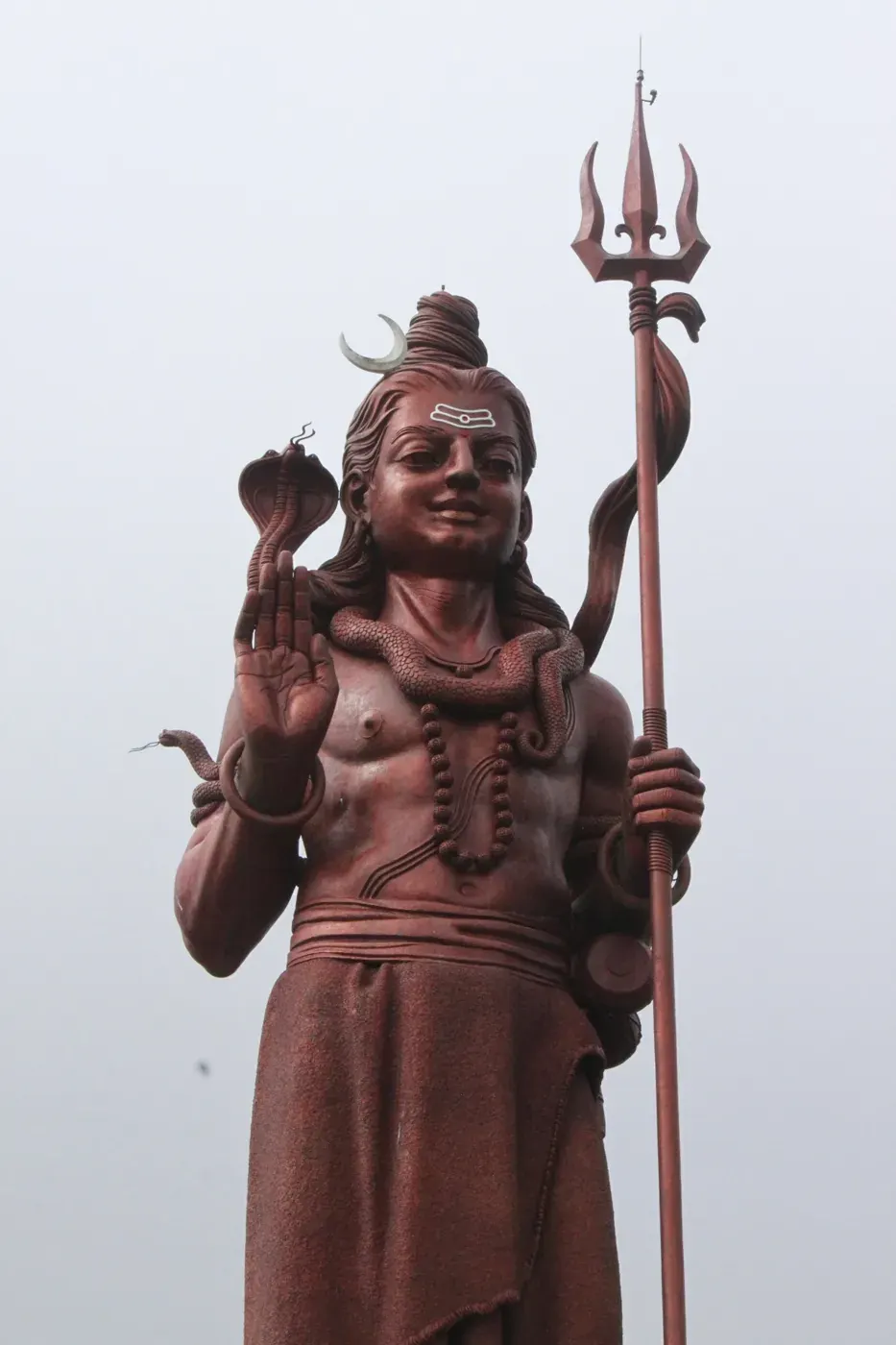
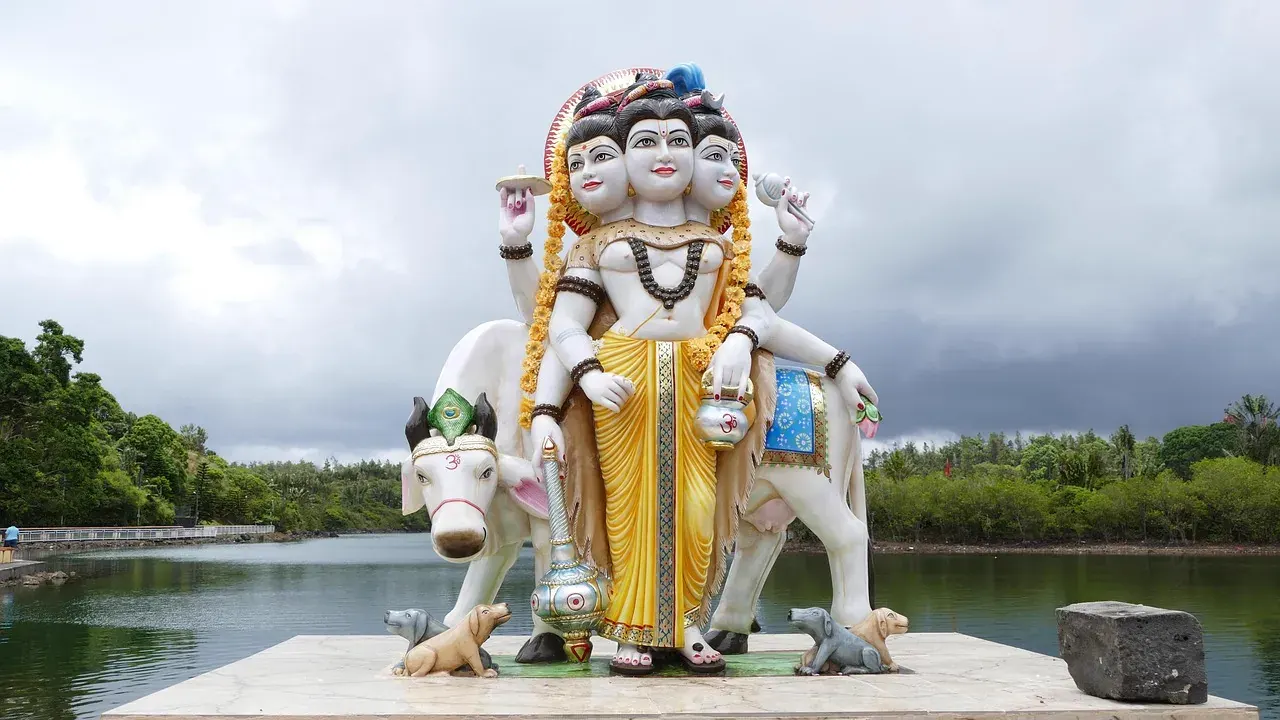
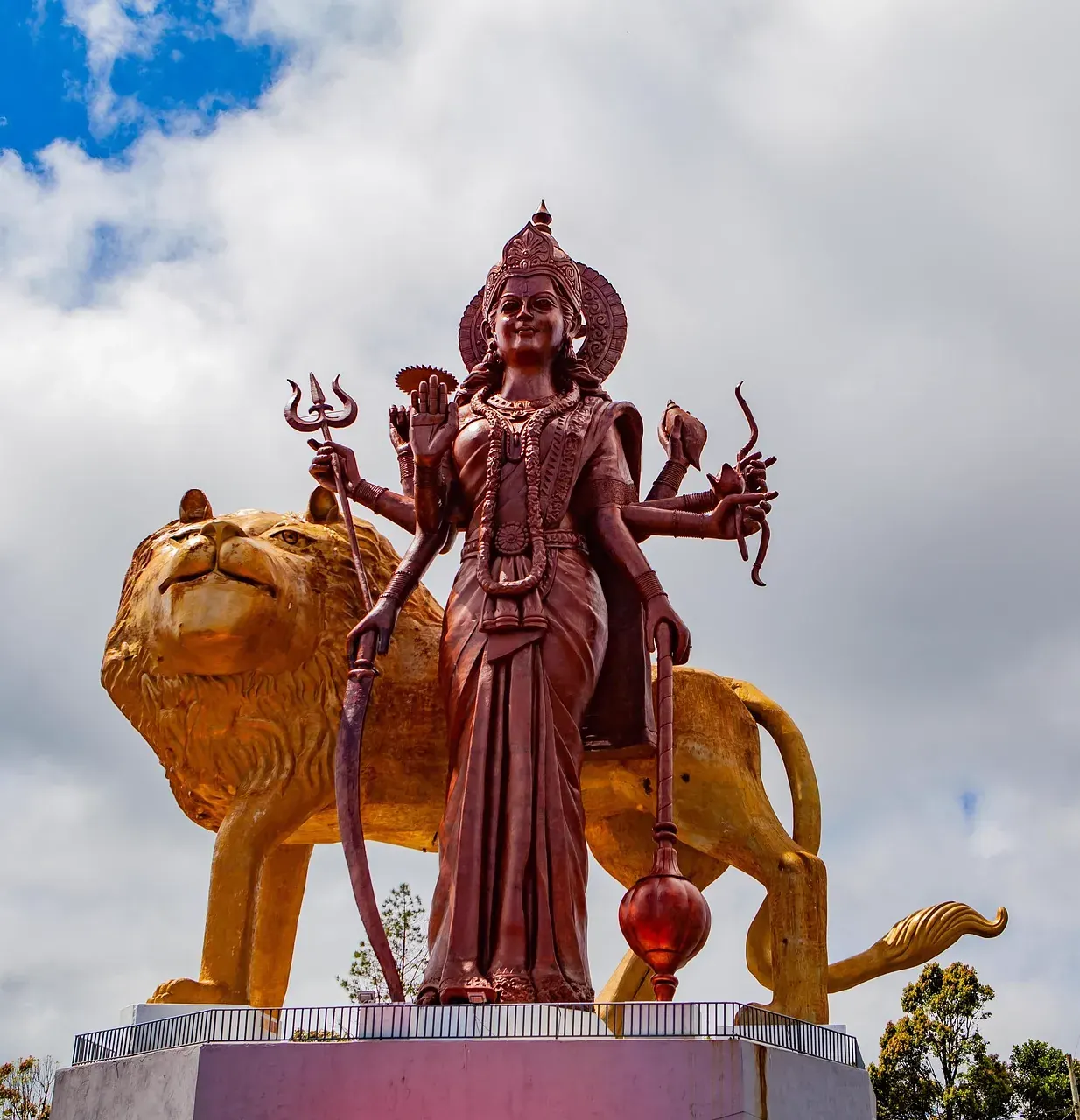
    Ganga Talao, also known as Grand Bassin, is the most important Hindu pilgrimage site outside of India. This sacred crater lake sits 550 meters above sea level in the mountains of the Savanne district and is believed to be connected to the holy Ganges River. Every year in February or March, hundreds of thousands of devotees walk barefoot to the lake during the Maha Shivaratri festival to collect water and make offerings to the gods. The lake shores feature several colorful temples dedicated to Shiva, Hanuman, and other deities. The 33-meter Mangal Mahadev statue at the entrance is one of the tallest Shiva statues in the world and makes for an impressive photo opportunity. Visitors should wear modest clothing and remove shoes before entering temples.

    Hindu Temple Architecture
    Across Mauritius

    Hindu Temple Architecture

    Mauritius is home to some of the most beautiful Hindu temples outside India, their colorful Dravidian architecture a striking feature of the landscape. The ornate gopurams (temple towers) are adorned with hundreds of deity statues, mythological scenes, and floral motifs, each telling stories from ancient epics like the Ramayana and Mahabharata. Particularly noteworthy are the Kaylasson Temple in Triolet – one of the largest Hindu temples on the island – and the Maheswarnath Temple with its richly decorated entrance gate. These temples are not just places of worship but cultural centers where traditional festivals like Diwali, Holi, and Ganesh Chaturthi are celebrated with colorful processions, music, and dance. Visitors are welcome but should wear respectful clothing and remove shoes before entering.

    Bookings & Tours – Coming Soon

    Hotels, tours and experiences will be available here soon.

    Mangal Mahadev - The Shiva Statue
    Grand Bassin

    Mangal Mahadev - The Shiva Statue

    The Mangal Mahadev statue at the entrance of Ganga Talao stands at 33 meters tall, making it one of the largest Shiva representations in the world and a powerful symbol of Mauritius' Hindu heritage. The statue depicts Lord Shiva in his meditative pose, featuring his third eye, trident (Trishul), and the sacred cobra around his neck. Cast in bronze and installed in 2007, the statue is inspired by the Ganges River in India and shows Shiva catching the holy river in his matted hair – a scene from Hindu mythology. The statue is a major attraction during the Maha Shivaratri festival when pilgrims from around the world gather here. A second, slightly smaller Durga statue (Goddess of Strength) stands nearby, completing the spiritual ensemble.

    Mauritian Cuisine - A Culinary World Tour
    Island-wide

    Mauritian Cuisine - A Culinary World Tour

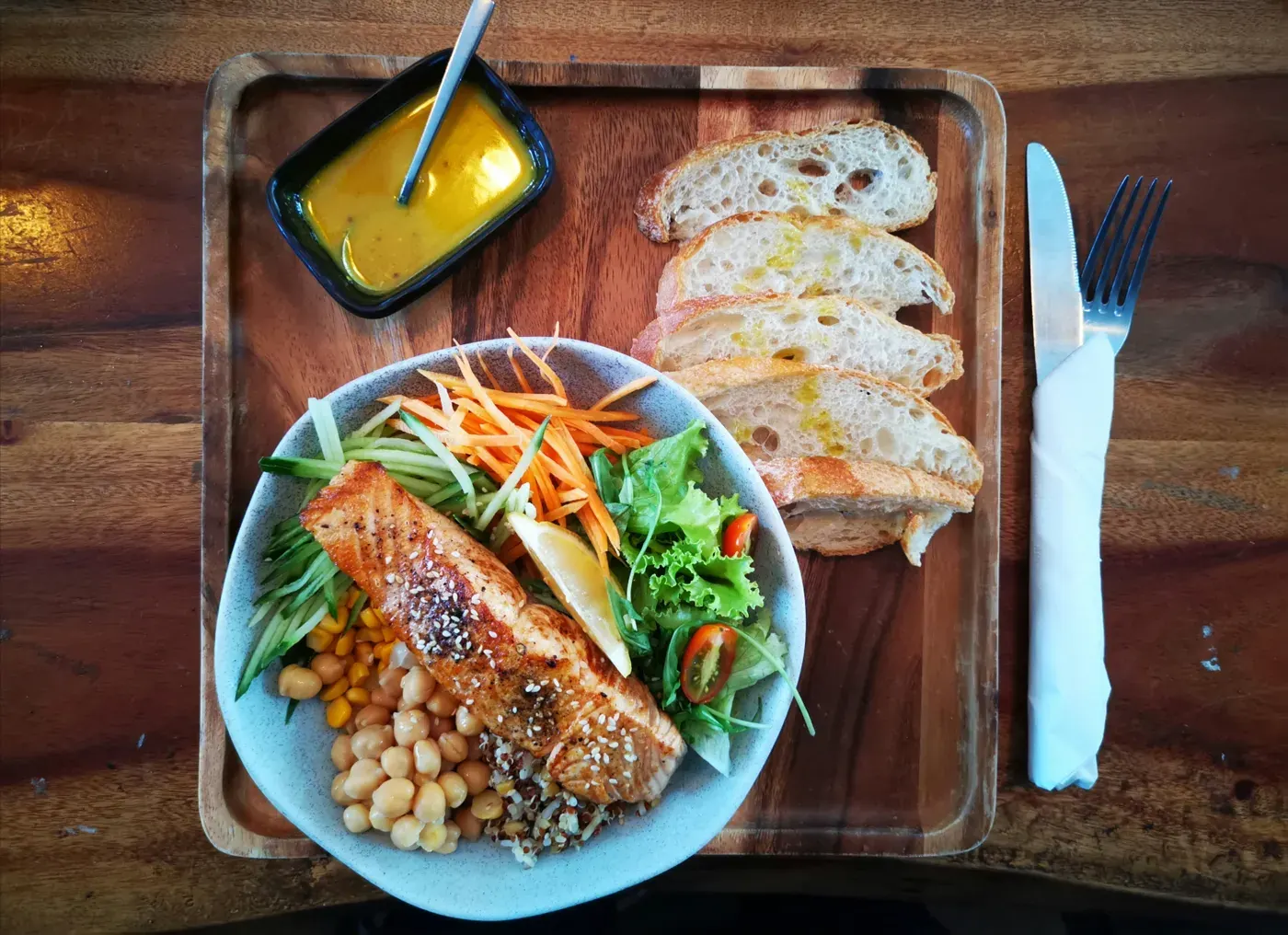
    Mauritian cuisine is a delicious reflection of the island's multicultural history, blending Indian, Creole, Chinese, and French influences into unique culinary experiences. Dholl Puri, the unofficial national dish, consists of thin flatbreads filled with yellow split peas, served with spicy rougaille (tomato sauce) and bean curry. Biryanis and curries speak to the Indian heritage, while Chinese mine frites (fried noodles) and boulettes (steamed dumplings) are found at every street market. The French tradition shows in the love for fresh seafood, baguettes, and exquisite desserts. Also try gâteau piment (chili fritters), alouda (milk drink with basil seeds), and traditional rum punch. The best street food experience awaits at the markets in Port Louis, Flacq, and Quatre Bornes, where vendors have perfected family recipes over generations.

    Bookings & Tours – Coming Soon

    Hotels, tours and experiences will be available here soon.

    Markets and Bazaars
    Port Louis & Flacq

    Markets and Bazaars

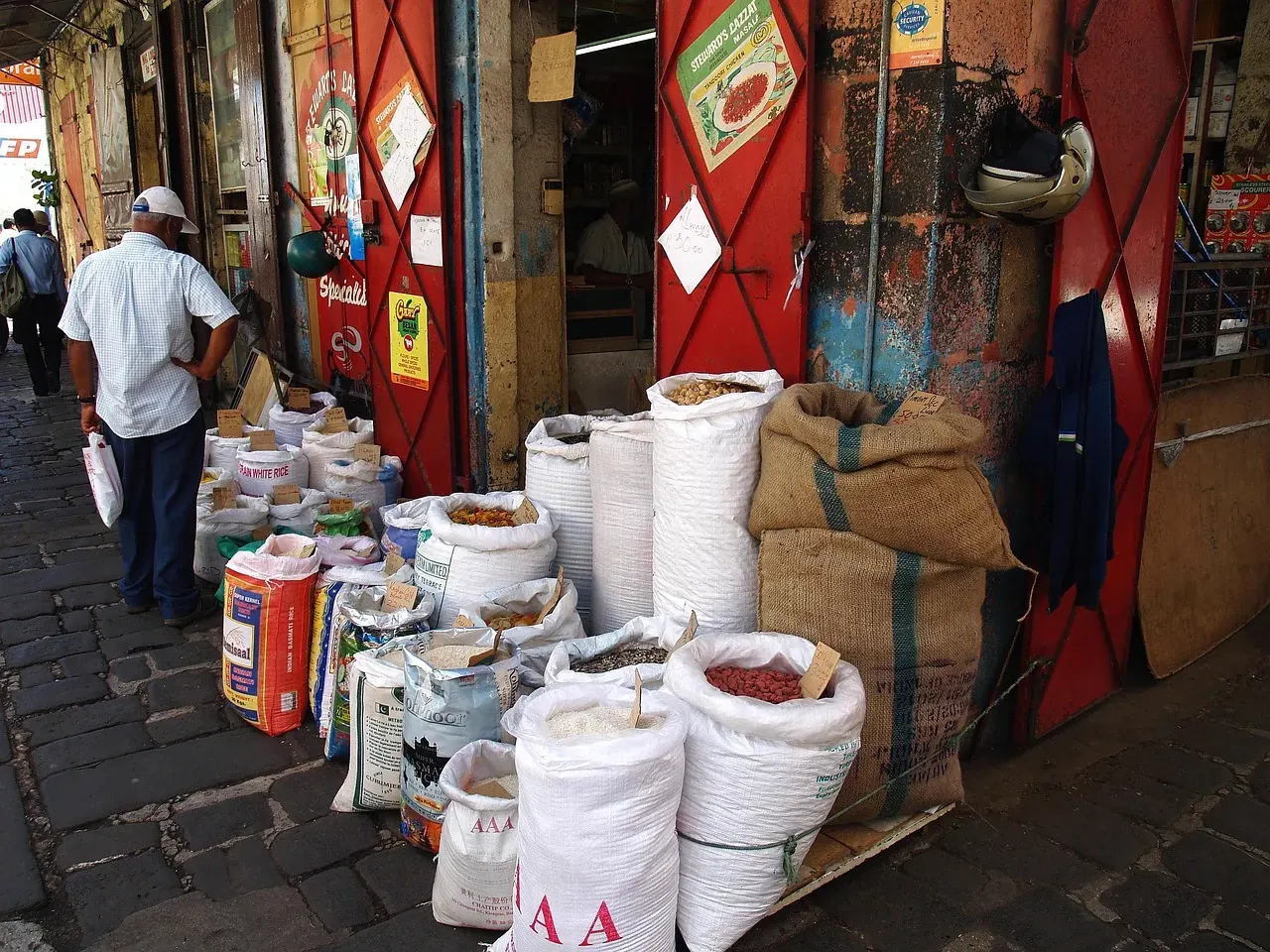
    The colorful markets of Mauritius are a feast for all senses and offer an authentic glimpse into the daily life of islanders. The Central Market in Port Louis, the largest on the island, spans multiple floors and offers everything from fresh fruits and vegetables to exotic spices and traditional handicrafts. Here you'll find Mauritian vanilla – considered among the finest in the world – along with saffron, cardamom, cinnamon, and local tea blends. The upper floor features vendors selling handcrafted souvenirs, model ships, and textiles. The Flacq Market (Sundays) is the largest open-air market and a popular meeting point for locals. Bargaining is common and expected – start at about half the quoted price. The best time to visit is early morning when selection is greatest and the heat still bearable. Don't miss the food stalls offering fresh samosas, dholl puri, and tropical fruit juices.

    A Melting Pot of Cultures

    Mauritius is a unique blend of Indian, French, Chinese and African influences that shape the island's food, architecture and traditions.

    🇮🇳
    Indian
    🇫🇷
    French
    🇨🇳
    Chinese
    🌍
    African

    Bookings & Tours – Coming Soon

    Hotels, tours and experiences will be available here soon.